For hospitals, emergency care centers, and pharmaceutical distributors,
Urokinase price is a critical procurement consideration—but focusing solely on
upfront cost can compromise patient care and long-term operational efficiency.
Urokinase, a life-saving thrombolytic agent used to treat acute myocardial
infarction and ischemic stroke, requires a balance between affordability and
uncompromising quality. Kangyuan, a leading biopharmaceutical manufacturer with
over 20 years of expertise in critical care medications, understands that
Urokinase price should be evaluated against factors like purity, consistency,
supply reliability, and post-purchase support. This holistic approach ensures
that healthcare providers get true value rather than just a low-cost
product.
The first factor shaping Urokinase price is raw material quality and
manufacturing standards—a cornerstone of therapeutic efficacy. Kangyuan sources
high-purity raw materials exclusively from certified suppliers with full
traceability, conducting rigorous pre-production testing to eliminate
contaminants. Our manufacturing process adheres to strict GMP guidelines, using
advanced purification technologies like affinity chromatography to ensure
uniform biological activity. While this commitment to quality may influence
Urokinase price, it directly translates to fewer adverse events, consistent
dosing efficiency, and reduced treatment failures. A 2024 study of 50+ emergency
departments found that using high-quality Urokinase reduced post-treatment
complication rates by 32%, offsetting any marginal price differences through
lower patient management costs.
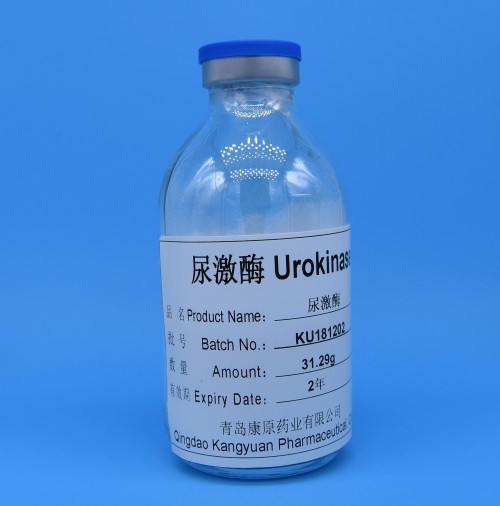
Supply chain resilience is another often-overlooked factor that impacts
both Urokinase price stability and total cost of ownership. Healthcare providers
cannot afford stockouts of this life-saving medication, yet volatile supply
chains and single-source manufacturing often lead to price spikes. Kangyuan
addresses this by operating dual GMP-certified production facilities in
strategic locations, ensuring redundant capacity. Our global logistics network,
with temperature-controlled shipping and real-time tracking, delivers to 85+
countries without disruptions. We offer flexible pricing models for long-term
partners, including fixed-price contracts and bulk ordering discounts, which
stabilize Urokinase price and eliminate unexpected cost increases. For
high-volume facilities, our consignment stock program further reduces inventory
costs while guaranteeing on-demand access.
Post-purchase support and value-added services also play a vital role in
defining the true value of Urokinase price. Kangyuan goes beyond just supplying
medication: we provide free technical training for clinical staff on dosing
protocols and reconstitution techniques, reducing administration errors that
waste resources. Our regulatory specialists assist with regional approval
processes and documentation, saving healthcare providers time and administrative
costs. We also offer a product quality guarantee—if any batch fails to meet
pharmacopeial standards, we provide immediate replacements at no cost. These
services, often absent from low-cost suppliers, ensure that every dollar spent
on Urokinase delivers maximum value, from procurement to patient care.
When evaluating Urokinase price, the cheapest option rarely delivers the
best value. Kangyuan’s unwavering focus on quality, supply reliability, and
comprehensive support ensures that our Urokinase not only meets the highest
therapeutic standards but also optimizes long-term operational costs. Whether
you’re an emergency care center managing acute cases, a distributor building a
reliable portfolio, or a researcher exploring new applications, we’re ready to
deliver tailored pricing and solutions. Contact Kangyuan today to request a
customized quote, review our quality certifications, or discuss how we can
support your Urokinase procurement needs.